
Street hazards,
explained
A field guide to sidewalks, potholes, work zones, lighting, intersections, accessibility and public spaces
H-01
Sidewalks
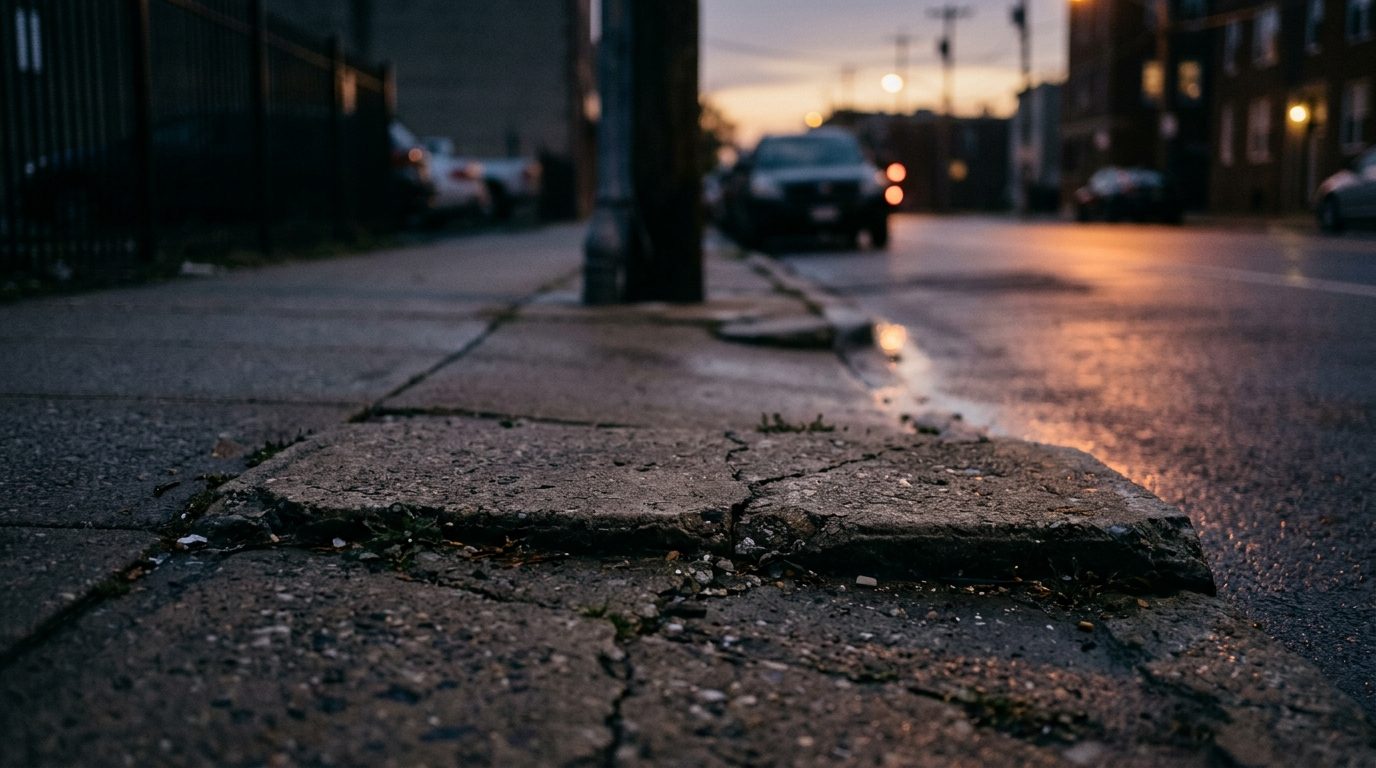
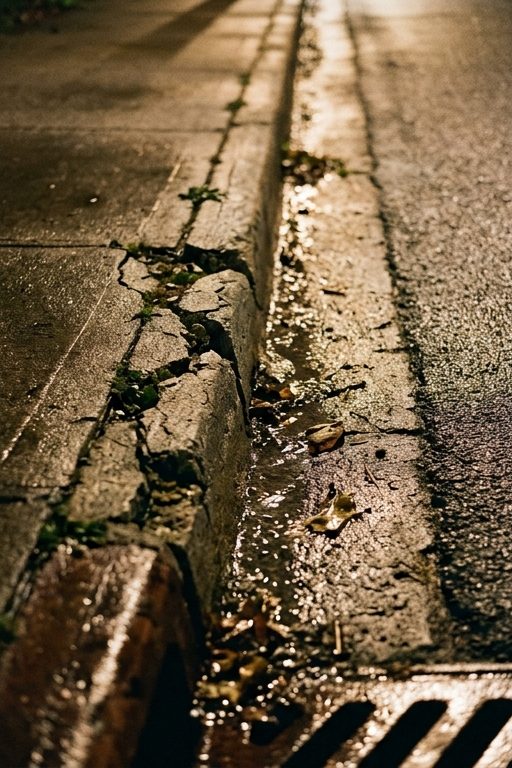
Lifted slabs, cracks and uneven edges that catch a foot, and who is usually responsible for fixing them.
H-02
Potholes
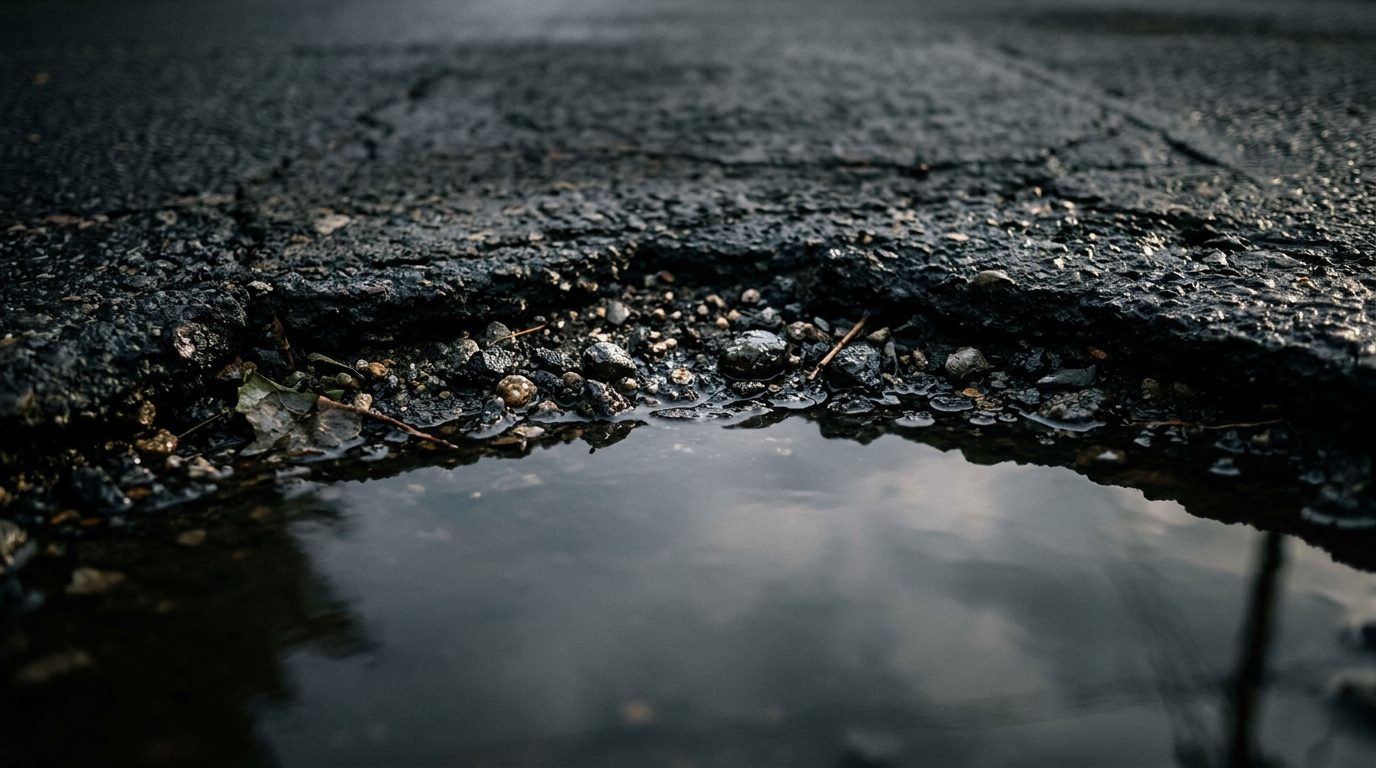
Road surface damage that can harm tires, wheels and riders, and how to report it so it gets fixed.
H-03
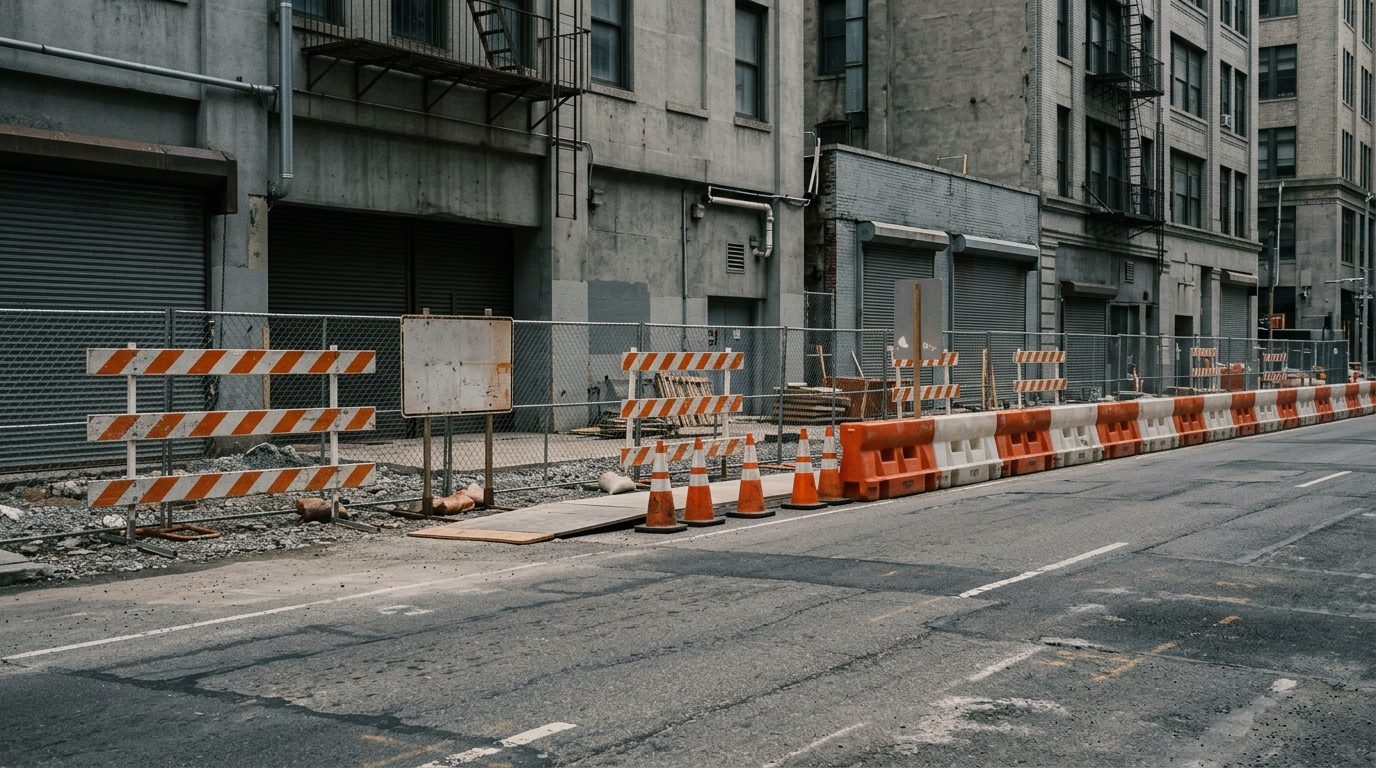
Construction Zones
Closed sidewalks, detours and lane shifts, and how to move through work zones safely on foot or behind the wheel.
H-04
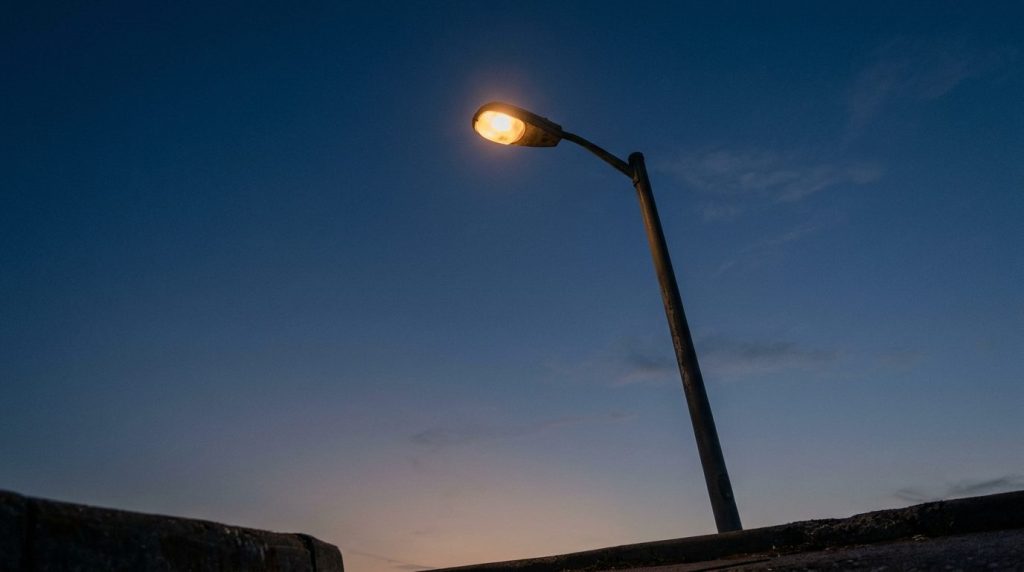
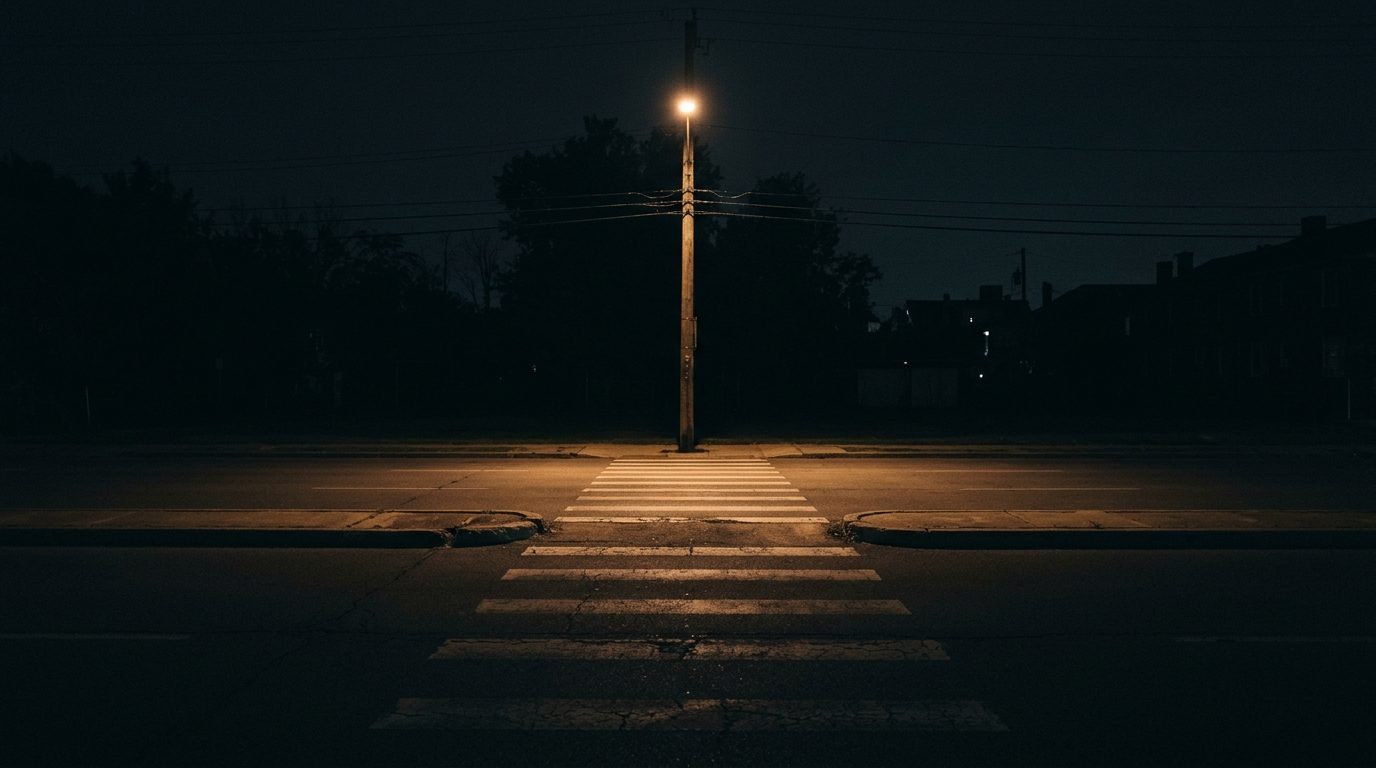
Lighting
Dark crossings and broken streetlights, why light matters at night, and how to report an outage.
H-05
Intersections
Wide crossings, short signals and turning vehicles, and what makes some intersections harder to cross.
H-06
Accessibility
Curb ramps, blocked paths and missing warning surfaces that turn a short walk into a barrier.
H-07
Public Spaces
Plazas, stairs and walkways that are hard to use safely, and the warning signs of poor design.
Spotted
a hazard?
↳ note the spot
↳ take a photo
↳ find the channel
↳ submit and follow up
01
Note the exact spot
Street name, nearest address or cross street, and which side of the road.
A precise location saves the crew a search and gets the report to the right team.
02
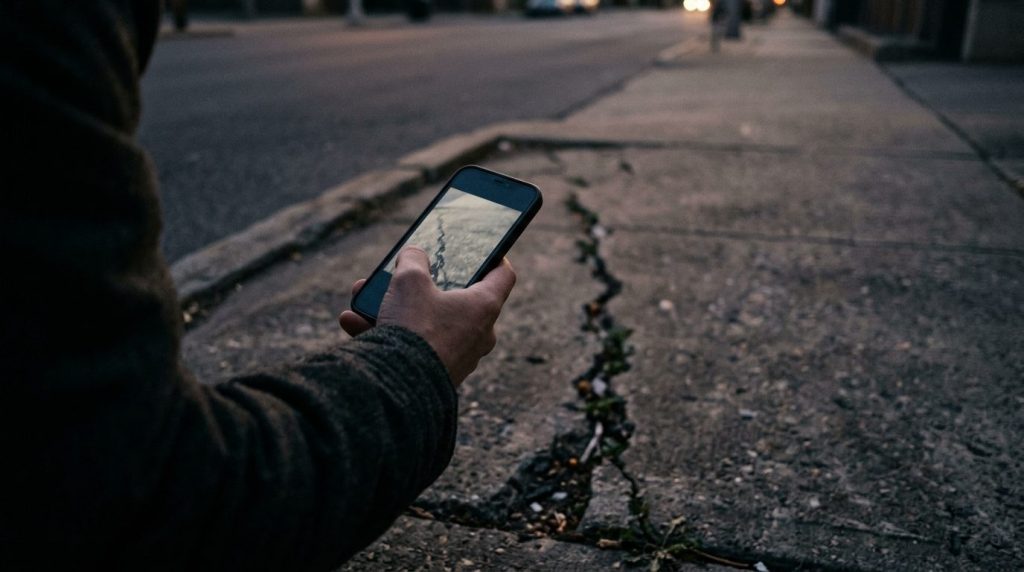
Take a clear photo
Shoot from somewhere safe, never from the roadway.
Include something for scale, like a curb or a shoe.
03
Find your city’s channel
Many US cities take reports through 311, a website or an app.
Some hazards belong to the state or a utility; the guide explains how to tell.
04
Submit and follow up
Save the reference number you get back.
If nothing changes, follow up and quote that number.
Latest
field guides
Public Spaces
How to Report a Street Hazard to Your City, Step by Step
Public Spaces
Poorly Designed Public Spaces: Warning Signs to Look For
Accessibility
Curb Ramps Explained: What a Good One Looks Like
Intersections
What Makes an Intersection Dangerous for Pedestrians
Lighting
How to Report a Broken Streetlight
Plain English.
Real sources.
Editorial standards
Every guide is written by the Urban Obstacles Editorial Team and links to the official source behind it. No invented numbers.
Not advice
Guides are general information, not legal, medical or engineering advice. Rules differ by city and state. In an emergency, call 911.
Where sources come from
City, state and federal agencies, accessibility standards and road safety bodies. Links are checked before a guide goes live.
Kept up to date
Each guide shows when it was published and when it was last reviewed, so you know how current it is.